How to Avoid Probate in California: A Sacramento Homeowner's Estate Lawyer Guide for 2026

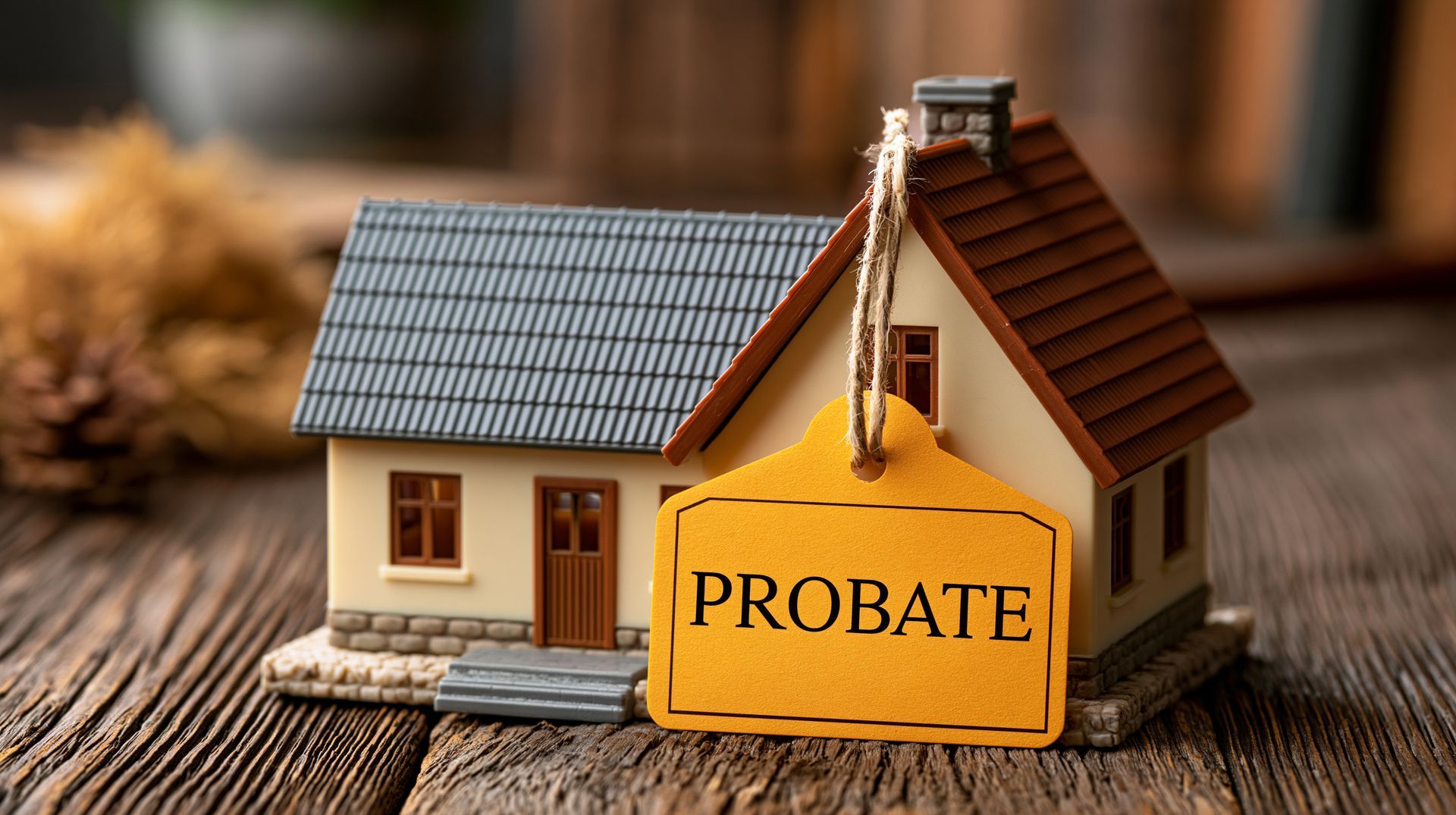
Probate is a legal process that Sacramento homeowners may be able to avoid with the right planning. For families in neighborhoods like Land Park, Midtown, or Arden-Arcade, a home is often the single largest asset they own. Without a plan, that home and other assets can get stuck in California's probate system for a year or more. Working with a qualified Estate Lawyer in Sacramento, CA, can help homeowners identify the right strategy and put a plan in place before it is too late.
Why Sacramento Homeowners Should Care About Probate
California's probate process can be time-consuming and costly. When an estate goes through Sacramento County Superior Court, heirs often wait 12 to 18 months or longer. Court, executor, and attorney fees are calculated as a percentage of gross estate value under the California Probate Code, meaning even a modest Sacramento home can generate significant costs before debts are considered. A local Estate Lawyer can review your assets and recommend the most practical way to keep your estate out of that process entirely.
Four Strategies to Avoid Probate in California
1. Revocable Living Trust
A revocable living trust is one of the most widely used probate-avoidance tools in California. You transfer ownership of your home and other assets into the trust during your lifetime, and when you pass away, those assets transfer directly to your beneficiaries without going through court. You remain in full control while alive and can change the trust at any time.
Critically, your home must be deeded into the trust for this strategy to work. Many Sacramento homeowners create a trust but forget to retitle the property, which can send the home right back into probate. An attorney can handle the deed transfer as part of the planning process.
2. Joint Tenancy With Right of Survivorship
When one joint tenant passes away, their share transfers automatically to the surviving owner without probate. This works well for married couples but may not be right for everyone. It can create gift tax considerations and complications if both owners pass away around the same time. An Estate Lawyer can help you weigh whether joint tenancy fits your ownership goals.
3. Beneficiary Designations and Transfer-on-Death Options
California law allows certain assets to pass directly to a named beneficiary outside of probate, including life insurance policies, retirement accounts, and bank accounts with a payable-on-death designation. California also offers a Revocable Transfer on Death Deed, which lets homeowners name a beneficiary for real property without creating a full living trust. This can be a simpler option for a single-property owner who does not need broader trust features. Keeping designations current after major life changes is essential, and an Estate Lawyer can help you review them regularly.
4. California's Small Estate Procedures
Not every estate requires full probate. Under California Probate Code Section 13100, personal property with a gross value under $208,850 may qualify for a simplified small estate affidavit, allowing heirs to collect assets without a court filing. A mandatory 40-day waiting period applies from the date of death.
For real property, California Assembly Bill 2016 introduced a simplified petition process for a primary residence valued under $750,000. This can be particularly relevant for homeowners in Sacramento suburbs like Rancho Cordova or Citrus Heights, where many median home values fall within that threshold. Eligibility requirements apply, and a probate and estate planning attorney can confirm whether your estate qualifies.
Sacramento-Specific Considerations for 2026
Sacramento County's probate docket can be congested, which tends to extend timelines beyond state averages. Local court procedures at Sacramento County Superior Court also vary from other counties, so local knowledge matters. Sacramento's real estate market has seen significant appreciation in areas like East Sacramento and Curtis Park, meaning estates that qualified for simplified procedures a decade ago may now exceed current thresholds. Reviewing your plan with a local Estate Lawyer every few years helps account for rising property values and changes to California probate law.
Does a Will Alone Avoid Probate in California?
No. A will must be submitted to the court, meaning assets titled in your name alone still go through probate. A will is an important document, but it works alongside other planning tools rather than replacing them.
What Happens If I Do Nothing?
If a Sacramento homeowner passes away without any plan in place, the estate will likely go through full probate in Sacramento County Superior Court. The court will apply California's intestate succession laws, which may not reflect your wishes and will consume time and money that would otherwise go to your heirs.
How Often Should I Update My Estate Plan?
Estate plans should generally be reviewed every three to five years or after any major life event such as marriage, divorce, the birth of a child, or the purchase of a new home. Changes in California law, including updates to probate thresholds or transfer-on-death deed rules, can also affect whether your current plan still does what you intend.
Take the Next Step With a Trusted Sacramento Estate Lawyer
Avoiding probate starts with a conversation, and the right time to have it is now. Steve C. Benton Attorney at Law helps Sacramento-area families understand their options and create plans that protect what they have built. Whether you need a living trust, help with beneficiary designations, or guidance on California's small estate procedures, the firm offers experienced and personalized legal support. Learn more about probate and estate planning services or contact us today to schedule a consultation. Call (916) 484-4465 to get started.